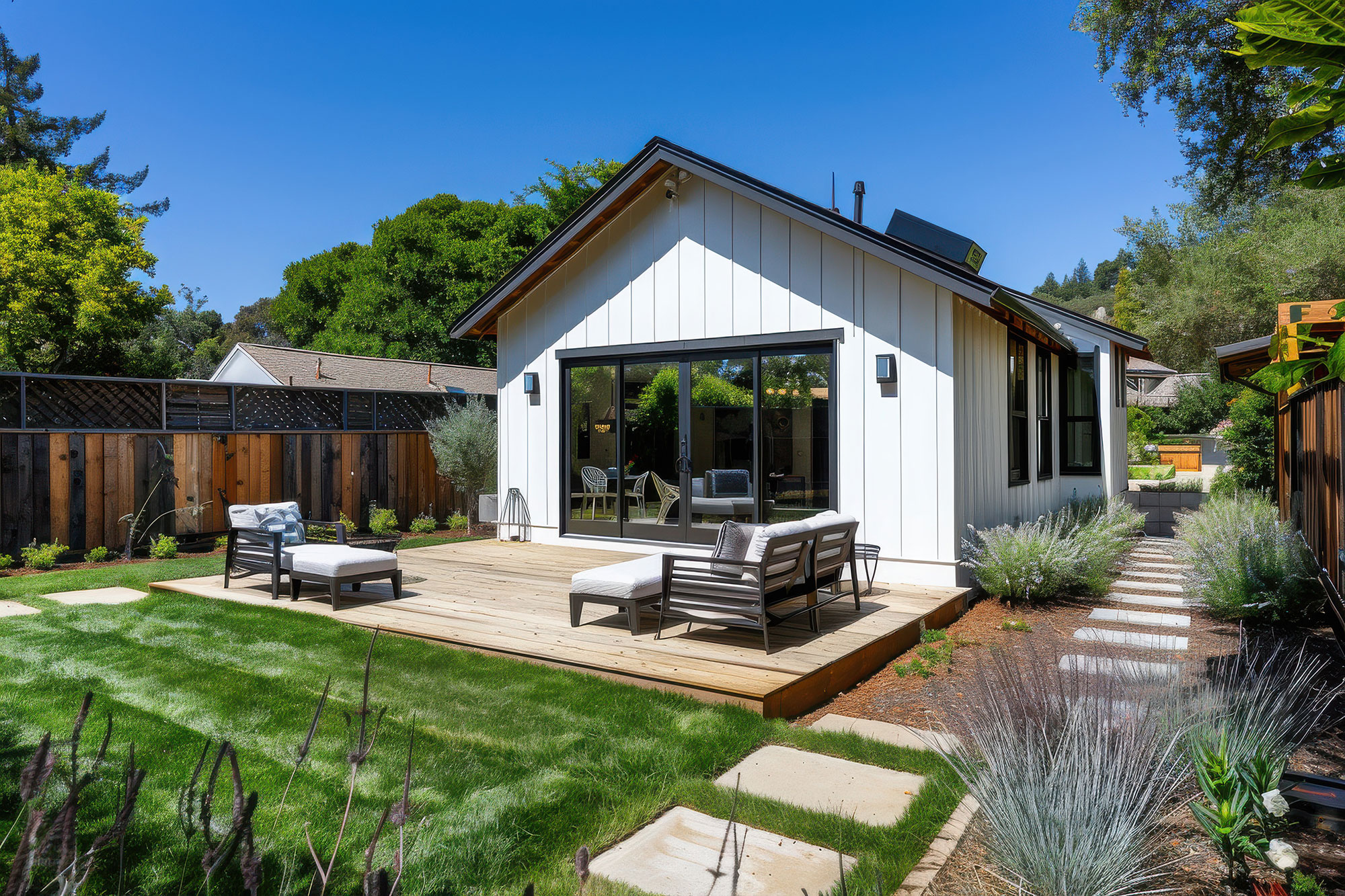
ADU Building Permits in Los Angeles: What Homeowners Need to Know
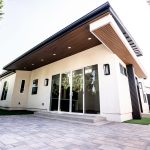
Accessory Dwelling Units have gone from a niche idea to one of the most practical ways to add space in Los Angeles. Backyard homes, garage conversions, in-law units—you’re seeing them everywhere now. But if you’re thinking about building one, your project doesn’t really start with design. It starts with an ADU building permit.
A few years ago, that alone would have been enough to stop most homeowners. Getting an ADU building permit used to feel like hitting a wall. Zoning rules didn’t allow it, parking requirements made projects unrealistic, fees stacked up quickly.
That changed when California stepped in around 2017 and started clearing the path. Today, if your project meets a defined set of rules, the city has to approve it. That shift matters. It turns the question from “Will they let me build this?” into “How do I get this approved the right way?”
And that’s where most projects either move forward, or stall.
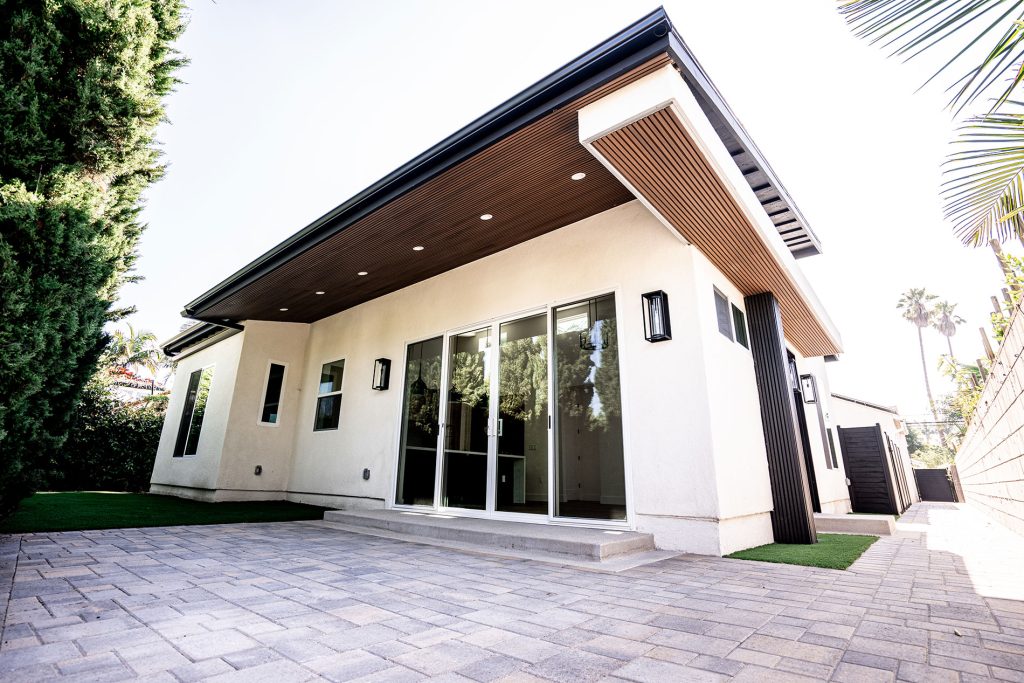
Why ADU Building Permits Are Easier to Get Today
One of the most important changes in recent years is how ADUs are approved. Under current California law, ADU applications are reviewed ministerially. This means the city cannot deny a compliant project based on subjective judgment. If your plans meet a defined checklist of requirements, the city must approve them.
For homeowners, this removes a major layer of uncertainty. It also explains why ADUs have become so popular across Los Angeles.
From our perspective as ADU builders, the City of Los Angeles has taken meaningful steps to make ADU permits more accessible:
- ADUs are allowed in nearly all residential zones
- There is no minimum lot size requirement
- Parking requirements have been reduced or eliminated in many cases
- Permit timelines are capped at 60 days for compliant applications
- Pre-approved plans are available to speed up review
These changes don’t eliminate every challenge, but they significantly improve predictability compared to a decade ago.
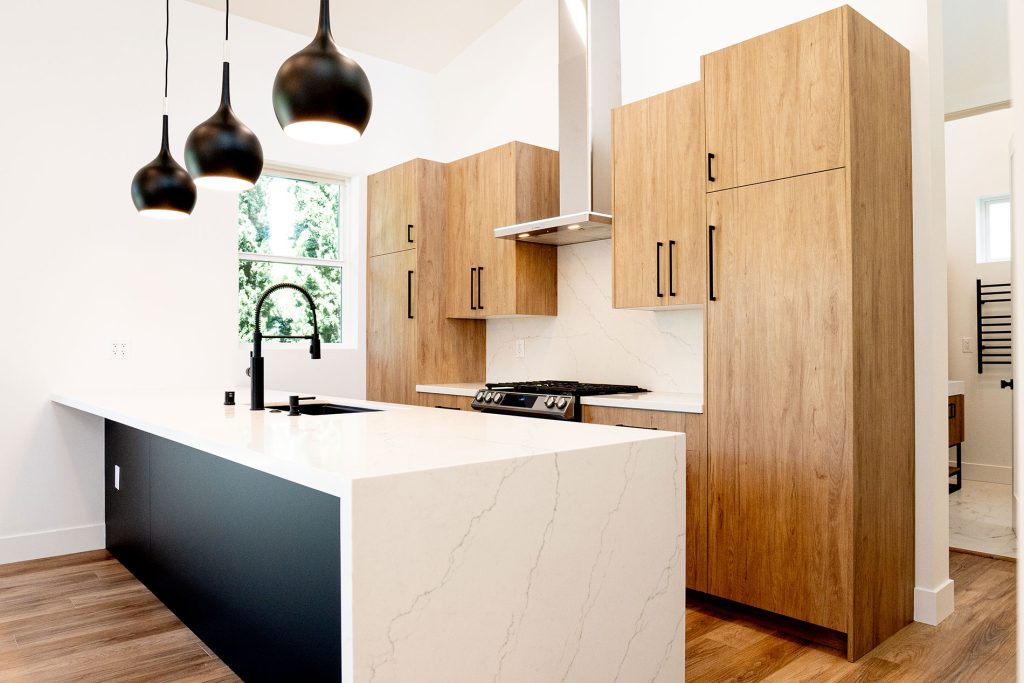
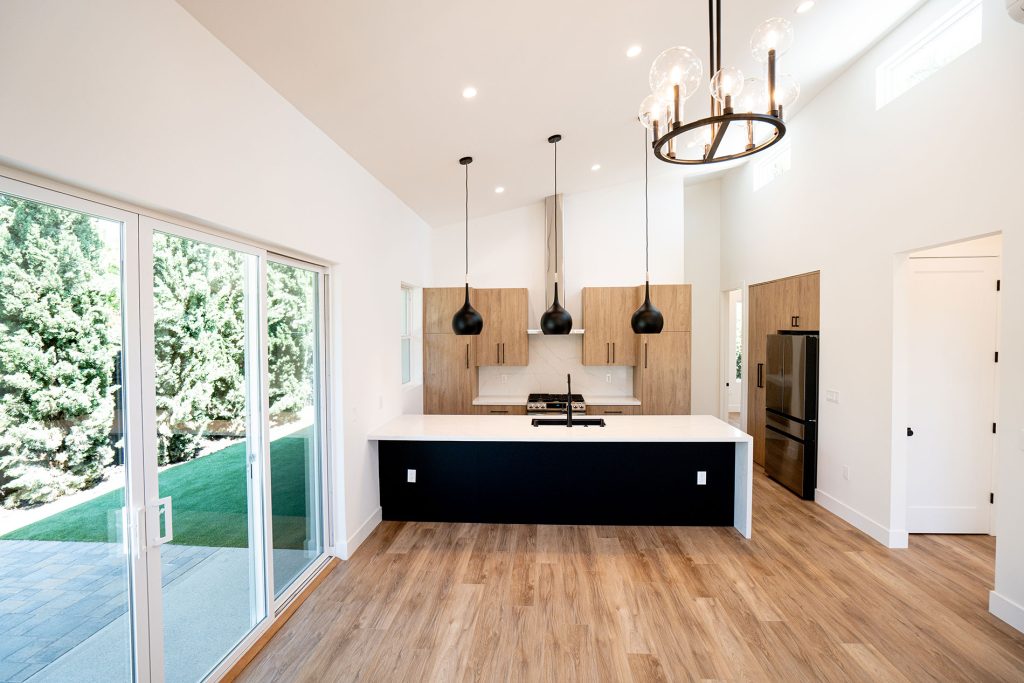
What Permits Do You Need for an ADU? A Step-by-Step Look at the ADU Building Permit Process
Every ADU project moves through a similar sequence. Where timelines stretch or compress usually comes down to how complete the submission is at the start.
Step 1: Submit Application
The process for getting an ADU building permit in Los Angeles begins with a full plan set submitted to the city. This isn’t just a floor plan, it’s a coordinated package that shows how the ADU will be built and how it fits on the property.
A typical ADU building permit application includes:
- Structural plans: Foundation plans, framing plans, and all associated structural details that show how the unit will stand and perform
- Site plan: A clear layout of the property, including existing structures and the proposed ADU placement
- Building / architectural plans: Floor plans, elevations, and design details that define how the unit will look and function
In addition to the core drawings, the city also requires supporting documentation:
- Title 24 energy calculations
- Best management practices for erosion control
- Property photos and site documentation
When this package is complete and coordinated, the project starts on much stronger footing.
Step 2: Plan Check and Revisions
Once submitted, the plans move through plan check. Different departments review them and respond with comments or required corrections. Behind the scenes, your application for the ADU building permit goes through approvals from:
- Building & Safety (structure and code compliance)
- Planning (zoning, setbacks, and layout)
- Fire Department (in certain zones)
- Public Works (grading, drainage, or sewer connections)
- Title 24 energy compliance (efficiency requirements)
- Utilities (if easements or infrastructure require it)
You don’t receive separate permits from each of these departments. Instead, they review your plans internally and provide comments that must be addressed before moving forward.
This is where timing can vary. In Los Angeles, initial feedback can come back within a few weeks, but it often takes longer depending on workload and project complexity. Each round of comments requires revisions and resubmission.
We’ve seen projects move quickly when plans are clean and consistent. We’ve also seen small inconsistencies trigger multiple rounds of review, adding weeks at a time.
Step 3: ADU Building Permit Approval
Once all comments are addressed and the plans meet code, the city issues the ADU building permit. At this point, construction can begin!
How Long Do ADU Permits Take in Los Angeles?
This is one of the first questions we get. On paper, the city has 60 days to approve a compliant application. In reality, most projects take 3 to 6 months from design through permitting. We’ve seen cases where plans have gone through in about a month. But that only happens when everything is perfectly aligned—clean plans, no special conditions, responsive clients. More often, time gets added in small increments: a correction here, a missing detail there, a department that needs one more clarification. None of these are major on their own, but together, they stretch the timeline.
- Typical timeframe for standard projects ADU building permits: 3 to 6 months (full design + permitting)
- Best-case scenarios: 1 to 1.5 months (rare, ideal conditions)
Delays usually come from:
- plan revisions
- incomplete submissions
- coordination between departments
For hillside or complex properties, additional reports (such as soil or survey reports) can extend the timeline.
How Much Does an ADU Permit Cost?
The ADU building permit cost is another area where expectations don’t always match reality. In Los Angeles, you should expect to spend $20,000 to $30,000 on design and permitting before construction even begins. That includes:
- architectural plans
- engineering
- plan check fees
- energy calculations
We’ve had homeowners come in expecting a fraction of that. Once they understand what’s involved, it makes more sense. You’re not just paying for drawings, you’re paying for a set of documents that can actually get approved.
Choosing the Type of ADU Matters
Not all ADUs move through the permit process the same way.
- Detached ADU: A standalone structure in the backyard. Typically involves full permitting but offers the most flexibility.
- Attached ADU: Connected to the main house. May be subject to additional structural considerations.
- Garage Conversion: Often the fastest path through the ADU permit process, since the structure already exists.
- Junior ADU (JADU): Smaller units within the home, usually with fewer permitting requirements but more limitations.
We always walk clients through this early, because the type of ADU you choose directly affects timeline, cost, and complexity.
Standard ADU Development Rules (Baseline)
While local variations exist, most ADU building permits follow these general rules:
- Up to 800 sq ft allowed regardless of lot size
- Up to 1,200 sq ft in many cases
- Minimum 4-foot side and rear setbacks
- Height typically allowed up to 16 feet or more
- Parking often not required
- Owner-occupancy generally not required
These baseline standards are what make ADUs more feasible today.
Special Conditions That Can Impact ADU Building Permits in Los Angeles
Not every property follows the same path through the ADU permit process. Some sites come with additional layers of review that can affect both timeline and design decisions. These conditions don’t stop a project, but they do shape how it moves forward.
Hillside Properties
Building on a hillside introduces a different level of complexity. The city looks more closely at how the accessory dwelling unit structure interacts with the terrain, which often means additional reports and tighter controls on grading and stability.
- Additional structural requirements
- Soil and geotechnical reports
- Grading limitations
Methane Zones (Los Angeles)
In certain parts of Los Angeles, methane conditions become part of the conversation. Before moving forward, the site needs to be evaluated, and the design must account for safe ventilation and containment.
- Methane testing
- Venting and barrier systems
Historic Districts
If your property sits within a historic district, the ADU becomes more than just a functional addition. It also needs to respect the architectural character of the neighborhood, which brings design review into the process. In Los Angeles, this often applies to areas like Hancock Park, Angelino Heights, Windsor Square, and other HPOZs. You’ll typically see requirements such as:
- Design review boards
- Exterior compatibility requirements
Coastal Zones
Properties near the coast often come with an extra layer of review. In many cases, that means securing a Coastal Development Permit in addition to standard city approvals before ADU building permits can be issued.
Fire Zones
In fire-prone areas, safety becomes a primary focus. The design and construction must meet specific requirements intended to protect both the structure and the surrounding property. In practice, that usually includes:
- Sprinkler systems
- Defensible space requirements
Common Reasons ADU Building Permits Get Delayed
Delays don’t usually come from one big issue, they come from small ones that stack up. We see the same patterns again and again:
- Incomplete plan submissions
- Missing structural calculations
- Title 24 errors
- Incorrect setbacks
- Conflicting drawings
- Sewer capacity issues
- Utility upgrade surprises
- Late-stage grading issues
We’ve had projects where one missing note led to weeks of back-and-forth. That’s why we approach ADU building permits with the same attention as construction. The system itself is predictable, it just expects precision.
What the City of Los Angeles Has Done Right
From a builder’s perspective, Los Angeles has made meaningful progress in improving ADU building permits.
The biggest improvements are:
- broader zoning eligibility
- faster approval timelines
- reduced parking requirements
- alignment with state law
- availability of pre-approved plans
These changes have shifted ADUs from being difficult projects to becoming a practical option for many homeowners.
Permits Are the Foundation of the ADU Project
Permits aren’t the exciting part of building an ADU. No one starts a project thinking about plan check comments or energy calculations, but this is where the project gets defined.
If you handle the permitting phase carefully, everything that follows moves with more clarity. If it’s rushed, issues tend to show up later, when they’re harder and more expensive to fix. The good news is that today, the system is built to support ADUs. The difference now comes down to how you move through it.
If you’re planning an ADU, it helps to work with a team that’s done it before. At Oasis Builders, we’ve built dozens of ADUs across Los Angeles, offer pre-approved floor plans, and handle the process from start to finish. If you’d like to get a sense of what your project might involve, you can start by scheduling a free consultation by filling out this form.