What Homeowners Need to Know Before Building an ADU
Accessory Dwelling Units have become one of the most practical ways to add space, flexibility, and long-term value to a property. For homeowners researching LA County ADU requirements, the opportunity is clear. An ADU creates usable square footage, opens the door to rental income, and allows a property to evolve without starting from scratch.
At the same time, understanding LA County ADU requirements can feel unnecessarily complex. Regulations sit between state law and local jurisdictions, and the language is not always written with homeowners in mind.
After building ADUs across Los Angeles, one thing becomes clear very quickly. The rules themselves are not what slow projects down. It is the lack of clarity at the beginning. Once the framework is understood, the process becomes far more predictable.
This guide breaks down LA County ADU requirements in a way that reflects how projects actually move in the real world.
What Qualifies as an ADU in Los Angeles
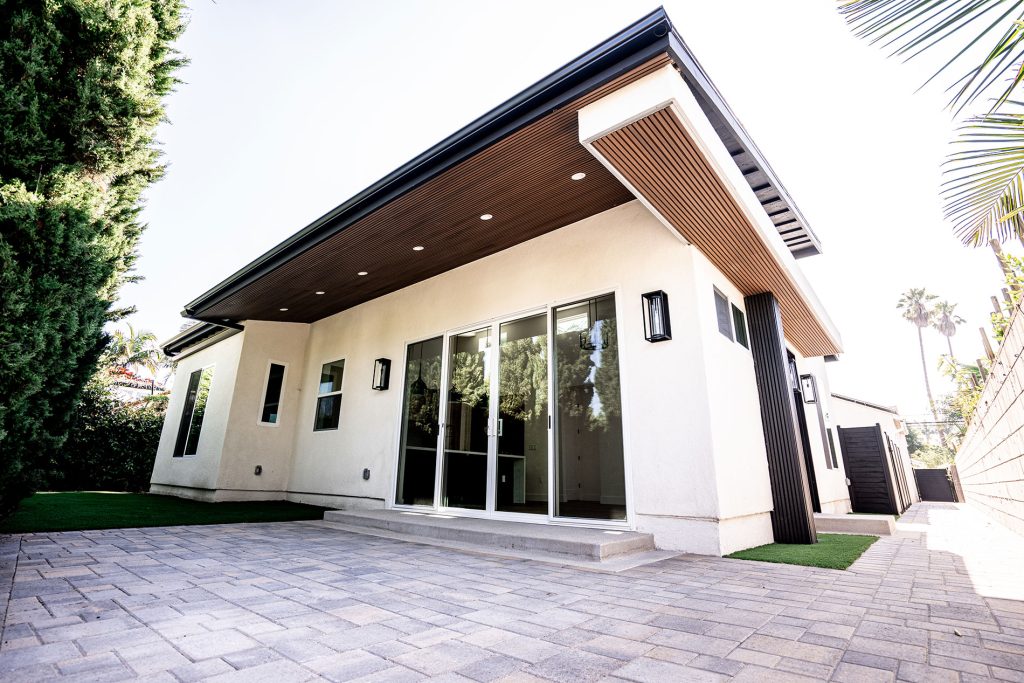
Under LA County ADU requirements, an ADU is a secondary residential unit built on the same lot as a primary home. It functions as a complete living space, with its own kitchen, bathroom, and entrance.
There are three main types allowed:
- Detached ADUs built separately from the main house
- Attached ADUs connected to the primary structure
- Converted ADUs created from garages, basements, or existing space
Each approach satisfies LA County ADU requirements, but the right direction depends on how the property is set up and how the space is meant to be used over time.
Why LA County ADU Requirements Have Become More Flexible
To understand the current rules, it helps to understand the intent behind them.
California has been addressing a long-standing housing shortage, and ADUs have become a central part of that solution. As a result, LA County ADU requirements have shifted in a very practical way. State laws have been updated to reduce restrictions, streamline approvals, and make building easier.
That’s why today’s ADU requirements in Los Angeles include:
- Faster approvals
- Fewer zoning limitations
- Reduced fees
- Minimal parking requirements
From our perspective as a general contractor, the system is now built to support ADU development, not slow it down.
Zoning: Where ADUs Are Allowed
Zoning is often the first concern homeowners have when they start looking into LA County ADU requirements. In practice, it is rarely the obstacle people expect.
ADUs are permitted in most residential zones across Los Angeles County. As long as there is an existing or proposed primary dwelling on the property, the lot will usually qualify. ADUs are allowed in:
- Single-family zones
- Multifamily zones
- Mixed-use residential areas
As long as there is an existing or proposed primary dwelling, your property likely meets the zoning portion of LA County ADU requirements.
From our experience, zoning does not stop projects. it shapes them. It influences how the ADU sits on the lot, how it connects to the main house, and how the layout comes together. But in most cases, it does not prevent construction from moving forward.
Size Limits and What You Can Realistically Build
Size is one of the more defined parts of LA County ADU requirements, and recent legislation has made it much more predictable.
There is now a baseline allowance. Homeowners can build an ADU of up to 800 square feet regardless of many local constraints. Beyond that, the upper range typically reaches around 1,200 square feet, depending on the property and configuration.
Here’s what typically applies:
- Minimum allowance: 800 sq ft ADU must be permitted
- Maximum size: often up to 1,200 sq ft
- Attached ADUs: limited to 50% of the main home, but still must allow at least 800 sq ft
Attached ADUs are sometimes tied to the size of the primary home, but even then, the rules still protect that minimum threshold.
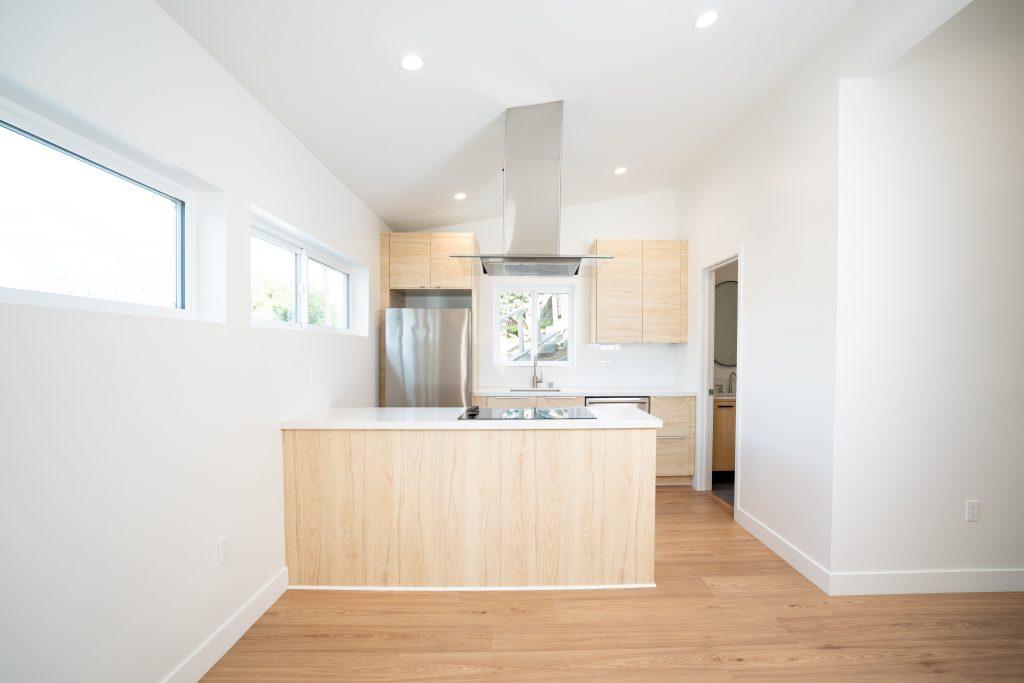
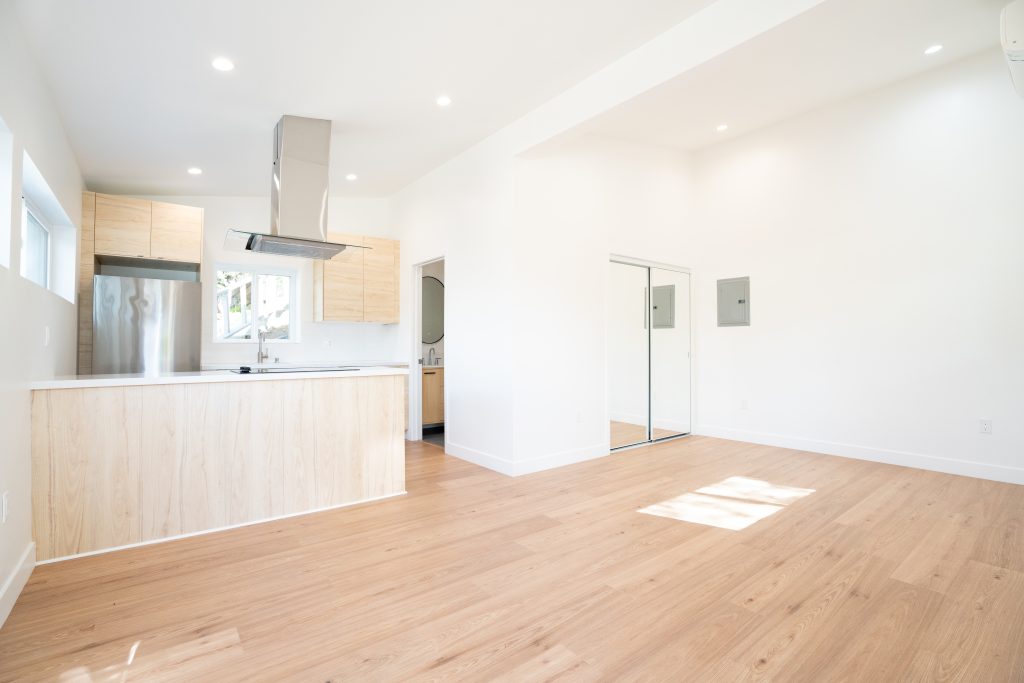
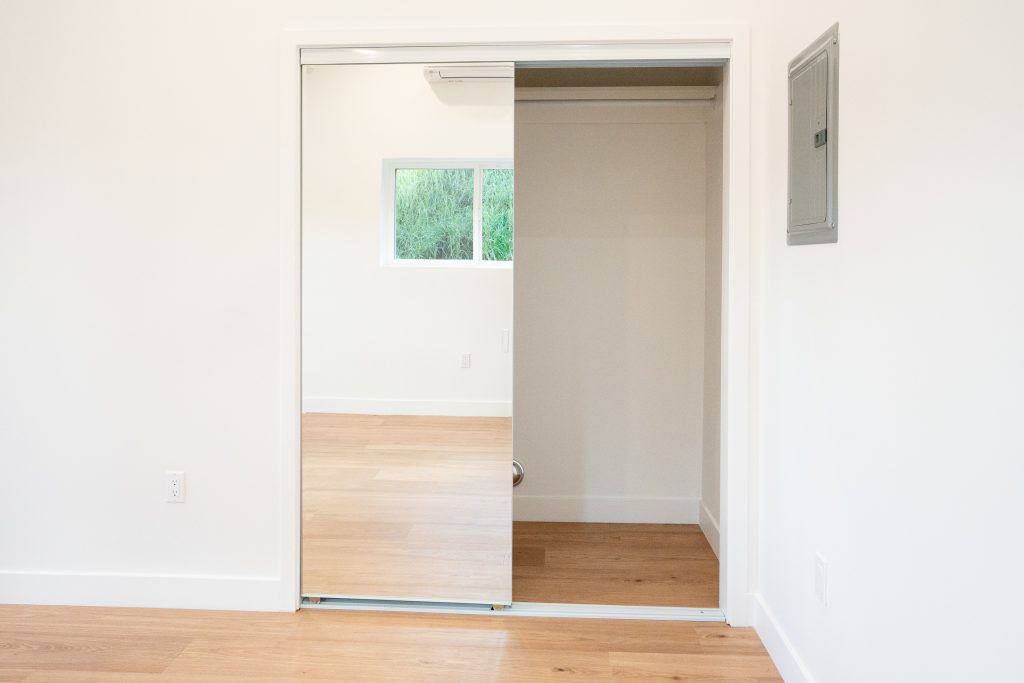
In reality, most ADUs we build across Los Angeles fall somewhere between 400 and 1,000 square feet. That range tends to balance cost, usability, and long-term flexibility in a way that works for most properties.
Setbacks and How Placement Really Works
Setbacks define how close a structure can sit to property lines, and they are often more forgiving than homeowners expect.
Under LA County ADU requirements, new detached units typically follow a four-foot side and rear setback. When an ADU is created from an existing structure, those setback requirements often no longer apply.
This is one of the reasons garage conversions are so common. The structure is already there, and the regulations allow it to be repurposed without forcing major repositioning.
That said, placement is not just about meeting minimum requirements. Placement still matters for:
- Privacy
- Access paths
- Utility routing
It affects how the space feels, how private it is, and how well it functions alongside the main home. The code may allow flexibility, but good planning is what makes the result work.
Parking Requirements Have Changed Significantly
Parking used to complicate ADU projects, but current LA County ADU requirements are much more flexible. In many cases:
- No parking is required near public transit
- No replacement parking is required for garage conversions
- Maximum requirement: one space per unit or bedroom
In Los Angeles, this often means you can build an ADU with zero additional parking, which makes projects significantly more feasible.
The Approval Process Is More Predictable Than Before
One of the most important updates to LA County ADU requirements is how approvals are handled.
ADU applications are reviewed ministerially. That means they are evaluated against objective standards rather than subjective opinions. There are no hearings, no back-and-forth approvals, and no extended review cycles based on interpretation.
Once a complete application is submitted, the timeline is structured. In most cases, the review period is capped at 60 days.
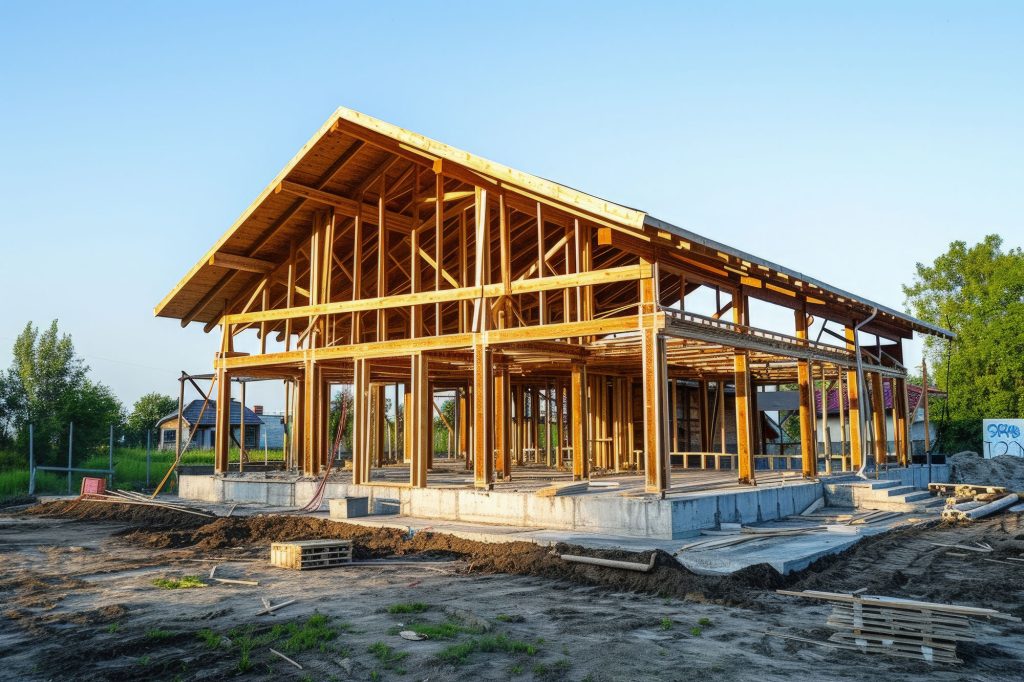
From a construction standpoint, this has changed the entire pace of ADU development. The uncertainty that used to define the permitting phase has been significantly reduced.
Cost Factors and Fee Structures
Costs vary, but LA County ADU requirements help control them:
- ADUs under 750 sq ft are exempt from impact fees
- Larger units pay proportional fees
- Utility fees are often reduced for conversions
Because ADUs are built on existing lots, they avoid many major development costs, making them one of the most efficient ways to build in Los Angeles.
If you’re evaluating feasibility, it helps to review a detailed breakdown on our ADU cost in Los Angeles page.
ADU vs. JADU: Choosing the Right Approach
While most homeowners focus on full ADUs, LA County ADU requirements also allow for Junior ADUs, or JADUs.
A JADU is a smaller unit, limited to 500 square feet, and typically created within the existing home. It may share certain elements, like a bathroom, and in some cases, it requires the property owner to occupy the residence.
In the right situation, a JADU can be a strategic addition. In others, a full ADU provides more flexibility. There are also cases where both are used together, maximizing what the property can offer.
The decision comes down to how the space is meant to function, not just what the regulations allow.
Where Projects Actually Get Delayed
Even with streamlined LA County ADU requirements, projects can still run into delays. As also highlighted in a recent CityWatch LA feature with our founder, Neev Kugel, many of these delays come down to planning and coordination rather than the regulations themselves. The most common reasons include:
- Incomplete plans
- Utility upgrades
- Site constraints
- Poor coordination between design and code
This is where experience makes a difference and where working with the right ADU contractor in Los Angeles really matters. The process is far more efficient when those variables are anticipated from the start.
A More Practical Way to Look at LA County ADU Requirements
It is easy to get caught up in technical details, but the broader picture is straightforward. The key takeaway is simple:
- LA County ADU requirements are designed to allow projects — not block them
- Most residential properties qualify
- The process is faster than it used to be
- Costs are more predictable
LA County ADU requirements are no longer designed to limit projects. They are designed to guide them.
The real challenge is not the rules; it’s understanding how they apply to your specific property.
Build an ADU Without Guesswork
Understanding LA County ADU requirements is one part of the process. Designing and building within those requirements is where experience matters.
At Oasis Builders, we help homeowners plan and build ADUs that meet local regulations while making sense for the property, budget, and long-term use.
Schedule a consultation and see what’s possible on your lot!